
Alternatives to Breaking Your Lease Due to Mold
Table of Contents
- Understanding Your Legal Rights When Mold Makes Your Home Unlivable
- How to Document Mold in a Rental Property
- Withholding Rent for Repairs: Legal Requirements You Must Follow
- Legal Remedies for Toxic Mold Exposure
- Negotiating a Lease Termination or Rent Reduction With Your Landlord
- When Breaking Your Lease Due to Mold Is Your Only Option
- Frequently Asked Questions
Last Updated: September 27, 2026
Understanding Your Legal Rights When Mold Makes Your Home Unlivable
Mold that threatens your health can make a rental unit legally unlivable, and that gives you options beyond simply walking away. In most states, landlords must keep rentals fit to live in under a legal rule called the implied warranty of habitability. When mold breaks that duty, you may have grounds to demand repairs, reduce rent, or end the lease the right way.
Renters who want to leave a moldy unit face a real choice. They can break the lease and risk a lawsuit, or they can use the legal remedies the law actually provides. This guide covers the second path: the alternatives to breaking your lease due to mold that protect both your health and your wallet.
The stakes are high. Mold can trigger breathing problems, headaches, and memory issues. Walking away without a paper trail can leave you owing rent on a home you can’t safely live in.
The implied warranty of habitability is your strongest tool. It requires landlords to maintain safe, livable conditions, and mold that harms health can count as a breach.
How to Document Mold in a Rental Property
Documenting mold in a rental property is the single most important step before you take any legal action. Solid evidence turns a “he said, she said” dispute into a provable claim.
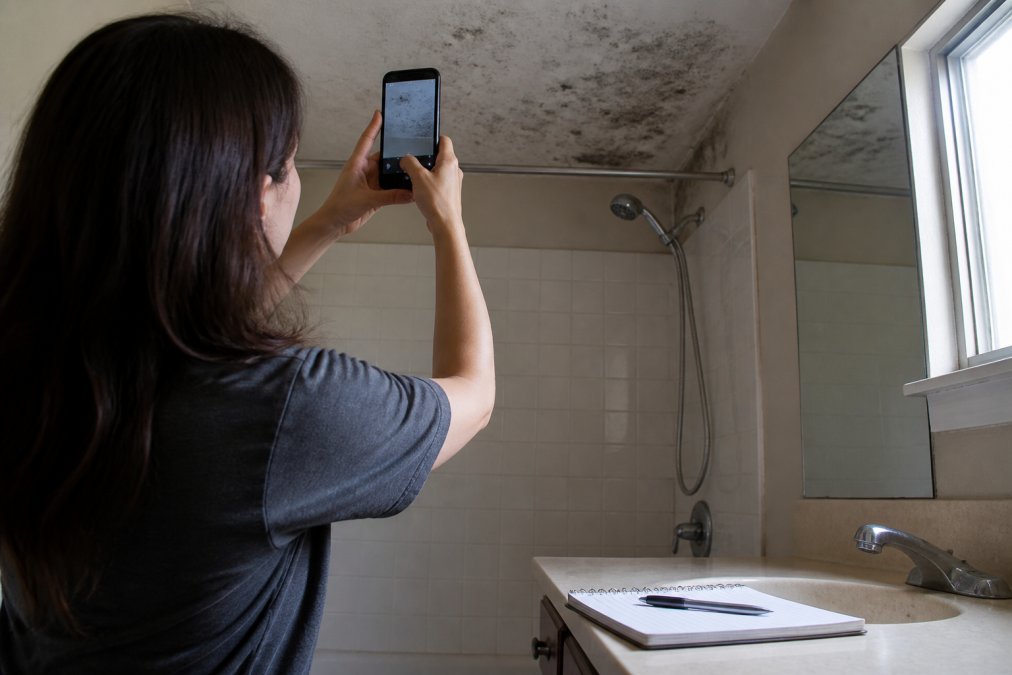
Start the moment you spot a problem.
Here’s how to build a record that holds up:
- Photograph and date every mold spot, wide shots and close-ups
- Write down when you first noticed it and how it spread
- Keep a log of symptoms, doctor visits, and any missed work
- Save every text, email, and letter between you and the landlord
- Note any repairs promised and whether they happened
Hire an independent inspector for air quality testing. A third-party lab report identifying mold spores carries far more weight than your own photos in a dispute.
Withholding Rent for Repairs: Legal Requirements You Must Follow
Withholding rent for repairs is legal in many states, but only if you follow strict rules. Get it wrong and you become the one in breach of contract, and nonpayment is one of the fastest paths to eviction.
- California allows a “repair and deduct” remedy under Civil Code Section 1942 when the landlord fails to make repairs after reasonable notice. The deduction is capped at one month’s rent, and you can only use the remedy a limited number of times per year.
- New York requires a written notice of the condition, and Real Property Law Section 235-b codifies the warranty of habitability. Rent withholding is often handled through housing court rather than self-help.
- Texas does not permit rent withholding as a self-help remedy in most cases. Property Code Section 92.056 requires written notice and a reasonable time to repair before other remedies become available.
- Washington allows rent withholding only after written notice and a defined waiting period, and the money must be placed in escrow.
A common pattern across states looks like this:
- Send the landlord written notice of the mold and request repairs.
- Wait out the remedy period your state requires, often 7 to 14 days for non-emergency habitability issues, shorter for emergencies.
- If nothing changes, open an escrow account and deposit rent there.
- Notify the landlord in writing that you are using escrow, with the account details.
Skipping the written notice step is the fastest way to lose a rent-withholding case. Without proof you asked for repairs first, a judge may side with the landlord, and you may owe back rent plus fees.
Before you withhold, confirm three things in writing: your state’s notice period, the maximum deduction or escrow amount, and whether your lease has a clause that waives the remedy. Some leases try to waive habitability remedies, and courts treat those clauses differently by state.
Legal Remedies for Toxic Mold Exposure
Legal remedies for toxic mold exposure go beyond fixing the unit. They can cover your health costs, lost income, and the harm the health hazards caused.
Available remedies often include:
- Rent reduction for the months the unit was unsafe
- Reimbursement for medical bills tied to exposure
- Damages for lost wages and damaged belongings
- Release from the rental agreement if the unit can’t be fixed
- Return of your security deposit
Negotiating a Lease Termination or Rent Reduction With Your Landlord
Negotiating a lease termination or rent reduction is often faster and cheaper than a legal fight. Many landlords will deal once they see you have proof, know the law, and have a credible exit that costs them more than settling.
The health-based angle most guides miss
A doctor’s note is not a magic key, but it changes the negotiation. A written diagnosis of mold-related illness, asthma flare-ups, chronic sinusitis, or a documented allergy to mold spores, does three things:
- It converts a property dispute into a health and safety dispute, which habitability statutes and local housing codes treat more seriously.
- It supports a claim for damages beyond rent, including medical bills and lost wages.
- It gives the landlord a reason to accept a clean exit rather than risk a personal injury claim.
The insurance angle
Renters’ insurance and landlord insurance interact with mold in ways most tenants never check:
- Renters’ insurance may cover loss of use, which can pay for a hotel or short-term rental while your unit is uninhabitable (Your renters insurance guide). Check your policy’s mold exclusion, many cap or exclude mold-related loss of use.
- Landlord insurance often excludes mold claims or caps them, which means your landlord may have a financial reason to settle quietly rather than file a claim.
- Documentation matters to insurers. A dated inspection report and a doctor’s note make a loss-of-use claim far easier to support.
Put the request in writing
Use this template to open the conversation:
Dear [Landlord Name],
I am writing about mold at [address], which I first reported on [date]. I have attached dated photos, a lab report, my repair requests, and a note from my physician stating that continued exposure is medically inadvisable.
The mold has made the unit unsafe, and it breaches the implied warranty of habitability. I am requesting one of the following:
- Full remediation by a licensed contractor within [number] days, or
- A mutual lease termination with no early termination fee, return of my security deposit, and a neutral reference for future rentals.
I would prefer to resolve this directly. Please respond by [date].
Sincerely,
[Your Name]
Your strongest negotiation position combines three documents: a dated inspection report, a written repair request, and a physician’s note. Together they turn a rent dispute into a health and safety claim the landlord wants to close.
If talks stall, a lawyer can send a demand letter on your behalf. That single step resolves many disputes before court.
When Breaking Your Lease Due to Mold Is Your Only Option
To use it, you usually need to show:
- The condition made the unit unsafe to live in
- You gave written notice and a chance to fix it
- The landlord failed to act
- You moved out because of it
Constructive eviction can release you from the lease, but only if you documented the problem, gave notice, and left for the right reason. Paperwork decides these cases.
If you were exposed to toxic mold and got sick, the lease is only part of the story. HUD information on tenant rights and housing quality outlines how safe housing standards apply to renters.
Frequently Asked Questions
How to get out of a lease because of mold?
You may have legal grounds to terminate your lease if the mold makes the unit uninhabitable and your landlord fails to fix it after written notice. Document the mold, send a formal repair request via certified mail, and allow a reasonable remedy period. If the landlord still does not act, you may be able to claim constructive eviction or negotiate a mutual termination. Because state laws differ, consult a local attorney before you stop paying rent or move out to avoid being held in breach of contract.
Can I withhold rent if there is toxic mold in my unit?
Withholding rent for repairs has strict legal requirements that vary by state. Many states require you to first notify the landlord in writing and give them a set time to fix the problem. Some states allow you to deposit rent into an escrow account with the court instead of paying the landlord directly. Never simply stop paying without following the proper procedure, as that can lead to eviction. Check your state’s landlord-tenant law or speak with an attorney before withholding rent.
What is the implied warranty of habitability regarding mold?
The implied warranty of habitability is a legal doctrine that requires landlords to keep rental units safe and livable. Mold that threatens health or causes significant damage can violate this warranty. If your landlord fails to remediate mold after notice, you may have legal remedies, including rent reduction, repair and deduct, or lease termination. The specific standards and remedies depend on your state’s statutory requirements, so consult a local legal aid organization or attorney to understand your rights.
What are the legal steps to force a landlord to remediate mold?
Start by sending a written notice describing the mold and requesting remediation within a reasonable time, typically 14 to 30 days depending on your state. Keep a copy and send it via certified mail. If the landlord does not respond, you can contact your local health department to request an inspection. In some states, you may be able to repair and deduct the cost from rent or deposit rent into escrow. For serious health hazards, consult an attorney about filing a lawsuit to compel repairs or seeking damages.
How do I document mold exposure for potential legal action?
Take clear, dated photographs of visible mold and any water damage. Keep a written log of when you first noticed the mold, your communications with the landlord, and any health symptoms you experience. Request a professional mold inspection with air quality testing to get an independent lab report identifying mold species. Save all emails, text messages, and receipts for medical visits or damaged belongings. This evidence gathering supports your claim if you need to pursue legal remedies for toxic mold exposure.
