
Is a Professional Mold Inspection Worth the Cost?
Table of Contents
- What Is a Professional Mold Inspection and Why It Matters
- Toxic Mold Health Symptoms That Warrant Professional Testing
- Signs You Need a Mold Inspection in Your Home
- What Happens During a Professional Mold Inspection
- How to Document Mold for Legal Evidence
- Landlord Responsibilities for Mold Remediation
- Is Mold Testing a Scam? How to Spot Predatory Practices
- Post-Remediation Verification and Your Rights
- Frequently Asked Questions
Last Updated: September 23, 2026
What Is a Professional Mold Inspection and Why It Matters
A professional mold inspection is a comprehensive assessment conducted by a certified inspector to identify mold growth, moisture sources, and indoor air quality issues in a residential or commercial property. Unlike a casual visual check, a professional evaluation combines visual inspection with specialized testing methods to document the extent of contamination and potential health risks.
A professional mold inspection creates a documented record of conditions, critical if you later need legal evidence for insurance claims or landlord disputes. Early detection prevents spread into walls, HVAC systems, and structural components.
The inspection process involves moisture mapping, thermal imaging, and air quality testing to detect visible and hidden mold. A certified inspector identifies moisture sources, assesses remediation needs, and provides objective recommendations, documentation invaluable if you develop health symptoms linked to mold exposure.
Toxic Mold Health Symptoms That Warrant Professional Testing
Toxic mold exposure triggers serious health complications, particularly in those with respiratory sensitivity or compromised immune systems (the CDC). Common symptoms include persistent cough, wheezing, shortness of breath, chronic sinus congestion, and recurrent respiratory infections unresponsive to standard treatment.
Neurological symptoms also emerge: brain fog, memory loss, difficulty concentrating, mood changes, and unexplained fatigue from mycotoxin exposure. If your doctor dismisses these as anxiety or stress, a professional mold inspection paired with functional medical evaluation establishes the environmental connection.
Joint and muscle pain, recurring headaches, and skin irritation are additional warning signs. When multiple family members develop similar respiratory or neurological symptoms simultaneously, mold exposure warrants professional assessment.
If you’re experiencing unexplained chronic symptoms and your living space has visible moisture, water stains, or a musty odor, do not wait for symptoms to worsen. A professional mold inspection creates the documented evidence you’ll need if you later pursue a legal claim for health damages or landlord negligence.
Signs You Need a Mold Inspection in Your Home
Visible mold growth, black, green, or white fuzzy patches on walls, ceilings, or around windows, indicates active colonization. However, mold often grows inside walls, under flooring, and within HVAC ductwork where you cannot see it.
Water intrusion is critical: seasonal basement flooding, water stains, or plumbing leaks indicate moisture in building materials. Even after cleanup, moisture lingers in drywall, insulation, and wood, creating ideal mold conditions. Professional inspection uses moisture mapping and hygrometer readings to detect active mold risk.
A musty odor often signals mold spore release into indoor air. If it persists despite cleaning or concentrates in certain rooms, professional assessment can pinpoint the hidden source within walls or the HVAC system.
Recent water damage, roof leaks, or foundation cracks warrant immediate professional evaluation. Early detection prevents structural damage and limits health exposure.
If you’re buying a home or renting an apartment and notice any combination of water stains, musty odor, or visible discoloration, request a professional mold inspection before signing a lease or purchase agreement. This creates a documented baseline of conditions and protects your legal position if problems emerge later.
What Happens During a Professional Mold Inspection
A professional mold inspection typically takes 2-4 hours. The inspector documents visible mold, water damage, moisture stains, and conditions promoting colonization, examining basements, crawlspaces, bathrooms, kitchens, and windows where condensation accumulates.
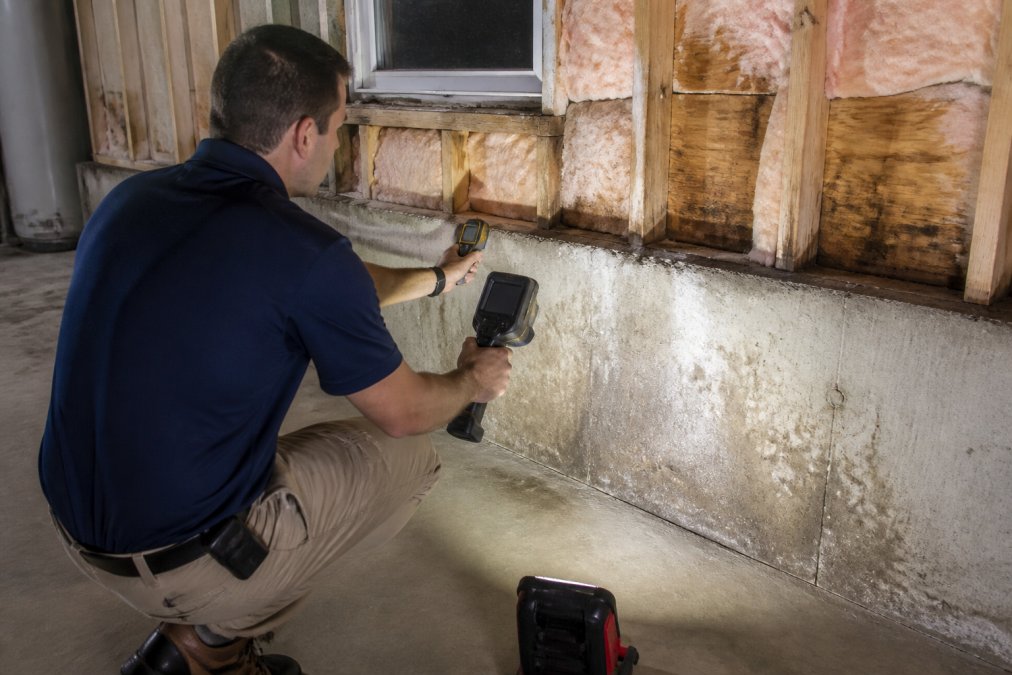
Specialized equipment detects hidden problems: hygrometers measure humidity (above 50-60% promotes mold), thermal imaging identifies cold spots where condensation accumulates, and moisture mapping pinpoints water intrusion patterns. These tools reveal problems visual inspection alone would miss.
The inspector evaluates the HVAC system, as mold colonizing ductwork, evaporator coils, and air handlers distributes spores throughout the home, a major ongoing exposure source.
Documentation is critical: photographs, moisture readings, mold locations, and moisture sources create an objective record essential for proving negligence or supporting health claims.
Air Sampling vs. Surface Sampling Methods
Air sampling and surface sampling serve different purposes and answer different questions about mold contamination.
Air sampling collects spores from indoor air using a pump and collection device, measuring spore count and types in your breathing space. It answers “What am I breathing?” and detects mold sources not visually apparent. Elevated spore counts compared to outdoor baselines indicate active colonization.
Surface sampling involves swabbing, tape-lifting, or bulk sampling from visible mold or suspect areas to identify specific species and colonization extent. It confirms mold identification and assesses remediation necessity.
A comprehensive professional inspection typically includes both methods. Air sampling establishes whether your indoor air quality is compromised. Surface sampling identifies the source and species, guiding remediation decisions. Together, they create a complete picture of your mold exposure.
Air sampling measures what you’re breathing; surface sampling identifies where the mold is growing. A thorough professional mold inspection uses both to establish the scope of contamination and the health risk you’re facing.
How to Document Mold for Legal Evidence
If you’re pursuing a legal claim related to mold exposure, documentation quality determines whether you have a viable case. Begin by preserving the professional mold inspection report, this is your foundation. The report should include the inspector’s credentials, the inspection date, photographs of conditions, moisture readings, air quality results, and written conclusions about the extent of contamination.
Photograph and video-document the property yourself. Capture visible mold growth, water stains, areas of discoloration, and any evidence of water intrusion. Include wide shots showing room context and close-ups of problem areas. Timestamp these images and keep them organized chronologically. If mold conditions worsen over time, sequential photographs demonstrate that the problem was not addressed.
Document your health timeline meticulously. Record symptom onset dates, medical appointments, diagnoses, treatments, and any statements from your doctor linking symptoms to environmental exposure. Gather medical records, lab results, and correspondence with healthcare providers. If multiple household members developed symptoms, document each person’s timeline.
Keep records of all communications with landlords, property managers, or insurance companies. Email requests for repairs, complaints about mold or water damage, and responses (or lack thereof) are critical evidence. These communications establish whether the property owner was notified and failed to act, a key element of negligence.
Preserve any remediation estimates or invoices if you’ve had work done. These document the cost of addressing the problem and the scope of contamination professionals identified. If you’ve incurred medical expenses, lost income due to illness, or relocation costs, compile those financial records.
Landlord Responsibilities for Mold Remediation
Landlords have a legal obligation to maintain rental properties in habitable condition, which includes addressing mold and moisture problems. Most state housing codes require landlords to provide premises free from conditions that pose health hazards. Mold growth and water intrusion violate this standard of habitability.
When a tenant reports mold or water damage, the landlord must respond within a reasonable timeframe, typically 14-30 days depending on state law. The landlord is responsible for identifying the moisture source, performing necessary repairs, and arranging professional remediation if mold is present. The tenant should not be required to pay for these repairs; they are the landlord’s maintenance obligation.
Landlords cannot retaliate against tenants for reporting mold problems or requesting repairs. If a landlord attempts to evict, raise rent, or reduce services after a tenant reports mold, that constitutes illegal retaliation in most jurisdictions. Tenants have the right to withhold rent in some states if the landlord fails to address serious mold problems, though this strategy requires careful documentation and often legal guidance.
If a landlord ignores mold complaints, a tenant can pursue legal action for breach of the implied warranty of habitability. Damages may include medical expenses, relocation costs, lost income if illness prevented work, and in some cases, compensation for pain and suffering. Abkarian Law Group provides expert legal representation for individuals suffering from toxic mold exposure and related injuries.
Is Mold Testing a Scam? How to Spot Predatory Practices
Some mold inspection and remediation companies engage in predatory practices designed to maximize revenue rather than address genuine problems. Understanding these tactics protects you from unnecessary spending and helps you identify trustworthy professionals.
Post-Remediation Verification and Your Rights
After mold remediation is complete, post-remediation verification testing confirms that the problem has been properly addressed. This step is often overlooked but is critical for your health and legal protection.
Frequently Asked Questions
What are the health risks of toxic mold exposure?
Toxic mold exposure can trigger respiratory symptoms including coughing, wheezing, and asthma exacerbation. Some individuals develop neurological symptoms such as memory problems, difficulty concentrating, headaches, and mood changes. Exposure to mycotoxins produced by certain mold species like stachybotrys can cause more severe reactions. Symptoms vary based on individual sensitivity, duration of exposure, and the mold species involved. If you’re experiencing persistent health problems you suspect are mold-related, consult a healthcare provider and consider a professional mold inspection to identify the source.
Can a landlord evict you for reporting mold?
Landlords cannot legally evict tenants for reporting mold or requesting repairs. Most states protect tenants who report habitability issues, including mold, through retaliation laws. Retaliation for reporting violations typically includes eviction, rent increases, or reduced services. If you report mold and face eviction within a certain timeframe (which varies by state), you may have legal protection. Document your mold report in writing and keep records of any landlord response. If you face retaliation, consult a legal professional about your rights in your jurisdiction.
How do I document mold for a legal claim?
Proper documentation is critical for legal claims. Take photographs and videos of visible mold growth, water stains, and areas with musty odors from multiple angles and distances. Record the date, time, and location of each image. Write detailed descriptions of the mold’s appearance, size, and affected areas. Keep receipts for medical bills, lost income, and remediation costs. Document your health symptoms with dates and severity in a journal. Obtain a professional mold inspection report that identifies the mold species and spore count levels. Preserve communications with your landlord or property owner about the mold issue. This evidence strengthens your case and supports your claim for damages.
Is mold testing a scam?
Some mold testing practices are predatory, but legitimate professional inspections provide real value. Red flags include inspectors who recommend remediation services they also provide (conflict of interest), pressure to test for asbestos or other unrelated hazards, or claims that all mold is toxic. Legitimate inspectors use certified methods like air sampling and surface sampling, provide written reports with spore counts, and maintain independence from remediation contractors. Choose inspectors certified by organizations that establish testing standards and verify they don’t profit from remediation recommendations. Request a detailed scope of work before testing begins.
