
How to Detox From Mold Exposure: A Safe 2026 Guide
Table of Contents
- Start Here: What Mold Detox Really Means (and What It Does Not)
- Mold Exposure Symptoms: What to Track Before You Try Any Detox
- Step 1: Stop the Exposure With Mold Remediation and Source Control
- Step 2: Get Evaluated: Mold Toxicity Testing and Medical Workup
- Step 3: Support Your Body’s Detox Pathways With Food and Lifestyle
- Step 4: Mold Exposure Treatment: Binders, Supplements, and Therapies
- How Long Does It Take to Detox From Mold Exposure?
- Conclusion: Your Next Steps for Recovery and Accountability
- Frequently Asked Questions
Last Updated: October 12, 2026
Start Here: What Mold Detox Really Means (and What It Does Not)
Mold detox is the process of reducing your body’s total exposure to mold and mycotoxins while supporting the organs that clear them.
If you are searching for how to detox from mold exposure, start with this truth. No supplement outperforms stopping the exposure.
Below, we break the process into four steps. We also explain what testing can and cannot tell you, and when to call a doctor.
Mold Exposure Symptoms: What to Track Before You Try Any Detox
Symptoms linked to mold exposure vary widely, which is why tracking beats guessing. Common complaints include coughing, wheezing, sinus congestion, headaches, brain fog, fatigue, and skin irritation. Some people also report dizziness or mood changes.
Before you change your diet or buy supplements, write down:
- When symptoms start and stop each day
- Which rooms or buildings make them worse
- Whether they ease after time away from home or work
- Any new medications, pets, or water leaks
This log becomes evidence. It helps a doctor spot patterns, and it supports a legal claim if a landlord or employer ignored a known problem.
Do not rely on a single air test to “prove” mold illness. Testing limitations are real: results vary by location, timing, and method, and a negative test does not rule out exposure. Pair testing with a symptom log and a medical evaluation.
Step 1: Stop the Exposure With Mold Remediation and Source Control
Source control comes first, always. You cannot detox your way out of a building that keeps re-exposing you. Find the moisture source, fix it, and remove contaminated materials.
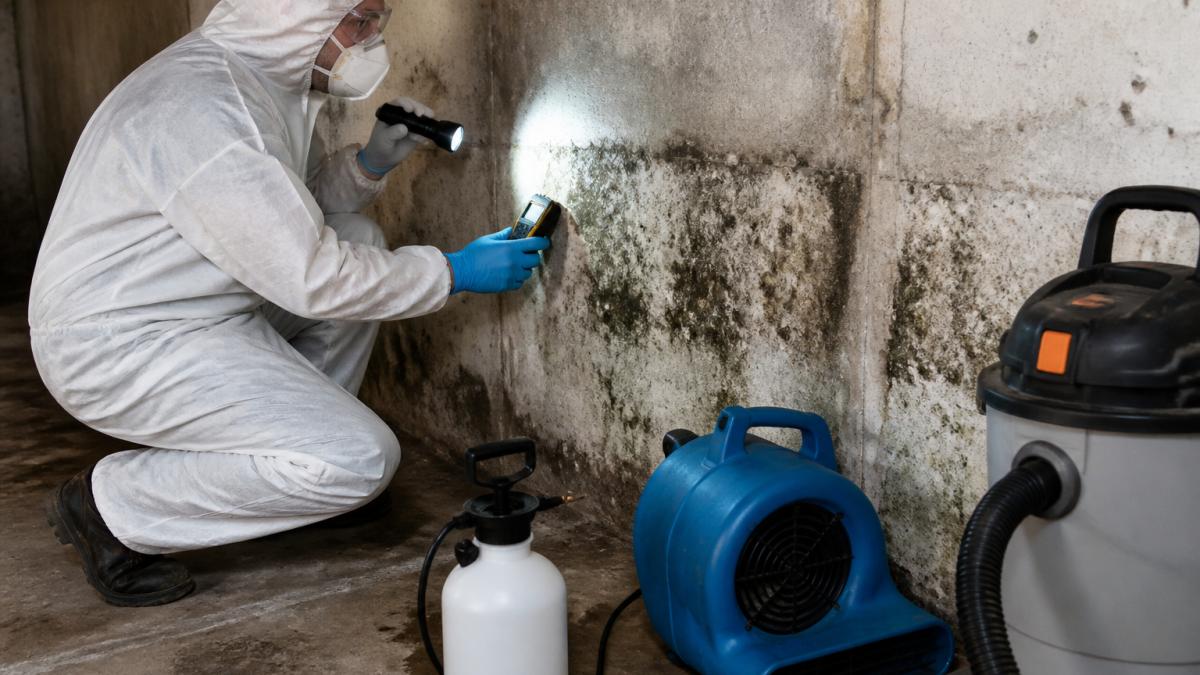
Practical steps:
- Locate the water source: leaks, condensation, flooding, or high humidity.
- Fix the source before cleaning anything.
- Remove porous materials that cannot be cleaned, such as soaked drywall or carpet.
- Hire a licensed remediator for large areas.
- Document everything with dated photos and receipts.
Renters have rights here. Landlords are generally required to maintain habitable housing, and the HUD guidance on healthy homes explains common hazards. If repairs are ignored, written notice is your first move.
Step 2: Get Evaluated: Mold Toxicity Testing and Medical Workup
There is no single lab test that confirms mold toxicity, and no test that proves a building made you sick. A clinician evaluates your history, exam findings, symptom log, and exposure timeline together. That is the standard of care, and it is also the honest answer to the question most people arrive with: “Which test do I order?”
What medical testing can and cannot establish
- Allergy testing (skin prick or specific IgE blood tests) can show sensitization to common molds such as Alternaria, Aspergillus, Cladosporium, and Penicillium. A positive result means your immune system reacts to that mold, it does not measure how much you were exposed to or prove that mold is causing your current symptoms.
- Lung function tests (spirometry, sometimes methacholine challenge) can identify asthma or reactive airway patterns that mold exposure may aggravate. They describe your lungs, not the cause.
- Urine mycotoxin panels sold by some commercial labs are the most contested test in this space. They are not standardized, reference ranges vary by lab, and a detectable mycotoxin does not establish that exposure occurred in your home versus your food, and it does not establish causation of symptoms. Most mainstream medical organizations do not endorse them for diagnosing mold illness. If a practitioner orders one, ask what the result would change about your treatment.
- Environmental testing, air sampling, ERMI-style dust sampling, tape lifts, has the same limitation. Results vary by season, room, ventilation, and sampling method. A negative air test does not rule out a hidden reservoir behind drywall or under flooring, and a positive test does not prove that the mold is producing mycotoxins or that you are reacting to it.
Do not let a single test result, positive or negative, override your symptom log and a physician’s exam. Testing is a supporting data point, not a verdict.
Who needs medical care sooner
Some groups should not wait and see. Seek prompt evaluation if you are:
- Pregnant, respiratory infections, asthma flares, and certain medications carry added risk during pregnancy, so any new or worsening breathing symptoms deserve a call to your obstetric provider.
- A parent of an infant or young child, children breathe faster, have smaller airways, and may not describe symptoms well. Persistent cough, wheeze, or recurrent ear and sinus infections in a damp home warrant a pediatric visit.
- An older adult, especially with COPD, emphysema, or heart failure, mold exposure can tip borderline respiratory status into an exacerbation.
- Immunocompromised, people on chemotherapy, biologics, long-term steroids, or with uncontrolled HIV, or who have had a transplant, are at risk for invasive mold infections such as aspergillosis. This is a medical emergency, not a detox question.
Urgent warning signs, call 911 or go to an emergency department
- Shortness of breath at rest or that worsens quickly
- Chest tightness or pain
- Wheezing that does not respond to your rescue inhaler
- Coughing up blood
- Fever with worsening respiratory symptoms, especially if immunocompromised
How to make the appointment productive
Bring three things: your symptom log, dated photos of visible growth or water damage, and a written list of medications and supplements.
The CDC information on mold and health notes that mold exposure can cause a range of reactions and that people respond differently. The EPA mold resources for homeowners and renters is a useful companion for the environmental side of the equation.
Step 3: Support Your Body’s Detox Pathways With Food and Lifestyle
Food supports detox pathways; it does not replace medical care. Your liver processes toxins in phases, and your gut eliminates them. Give both what they need.
Focus on:
- Cruciferous vegetables: broccoli, cabbage, Brussels sprouts
- Leafy greens: spinach, kale, arugula
- Beets and artichoke for liver and bile support
- Ground flaxseed and fiber to move waste through the gut
- Antioxidants from berries and citrus
Reduce alcohol and ultra-processed food while you recover. Sweating through gentle exercise or sauna therapy may help some people, but hydration matters more than heat. Sleep and stress management are not optional extras; they shape immune function.
Step 4: Mold Exposure Treatment: Binders, Supplements, and Therapies
This is where the internet gets loud and the evidence gets thin. The honest framing: almost nothing in this category has been proven in controlled trials to accelerate recovery from mold exposure. What follows separates what is well established from what is plausible but unproven, and what is risky. Treat this as a menu to discuss with your doctor, not a protocol to self-administer.
Evidence tiers at a glance
| Option | Evidence quality | Realistic role | Key trade-offs |
|---|---|---|---|
| Source control and remediation | Established | The intervention that actually changes exposure | Cost, displacement, landlord cooperation |
| Allergy and asthma management (antihistamines, nasal steroids, inhalers) | Established | Symptom control for sensitized people | Standard medication side effects |
| Activated charcoal | Limited, mostly animal and poison-control data | Short-term, doctor-guided use only | Binds prescription medications and nutrients |
| Cholestyramine | Limited; studied mainly for other bile-acid conditions | Off-label, specialist-directed | Constipation, vitamin absorption, drug interactions |
| Chitosan and clay binders | Unproven for mold | Not recommended as primary therapy | Variable purity, GI effects, drug binding |
| Glutathione (oral, inhaled, IV) | Unproven for mold | Antioxidant support at best | Cost, IV risk, no outcome data |
| Probiotics | Mixed, strain-specific | General gut support | Quality varies widely; not a mold treatment |
| Milk thistle (silymarin) | Limited | General liver support | Rare GI upset, drug interactions |
| Sauna therapy | Unproven for mold | Adjunct relaxation and sweating | Dehydration, heat intolerance, cardiac risk |
| Therapeutic plasma exchange (TPE) | Case reports only | Severe, select cases under specialist care | Invasive, expensive, real procedural risks |
Binders: what they actually do
Binders are substances that attach to compounds in the gut so they pass out in stool. The logic is that mycotoxins reabsorbed through the bile can be intercepted.
If a clinician recommends a binder, the standard precautions are: take it at least two hours away from medications and other supplements, expect possible constipation, and set a defined trial period with a re-check rather than taking it indefinitely.
Supplements and antioxidants
Glutathione is the body’s main intracellular antioxidant, and oxidative stress is part of the inflammatory picture in mold-exposed people. That is a plausible mechanism, not proof of benefit. Oral glutathione is poorly absorbed; inhaled and IV forms are used in some clinics without controlled outcome data. Milk thistle and N-acetylcysteine are sometimes suggested for liver support. None of these replace treating the exposure or managing diagnosed asthma and allergies.
Therapies that get oversold
Sauna therapy is popular in detox circles. Sweating does eliminate small amounts of some compounds, but there is no evidence it clears mycotoxins or shortens recovery, and heat plus dehydration is a genuine risk for people with cardiac conditions or on diuretics. Therapeutic plasma exchange appears in case reports for severe mold-related illness. It filters plasma through a machine in a hospital or specialist setting.
Sequence matters more than products. Stop the exposure, get a clinical evaluation, manage diagnosed asthma or allergy with proven medications, and only then consider adjuncts, with your doctor, with a defined trial period, and with a plan to stop if there is no measurable benefit.
Never start activated charcoal, cholestyramine, or any binder while taking prescription medication without explicit timing instructions from a pharmacist or physician. The interaction risk is the most common harm in this category.
How Long Does It Take to Detox From Mold Exposure?
Recovery timelines vary by person, exposure level, and how quickly the source is fixed. Some people notice improvement within weeks of leaving a contaminated space. Others need months of medical care and lifestyle support.
Three factors drive the timeline:
- How long and how heavily you were exposed
- Whether the source is fully remediated
- Your overall health and any pre-existing conditions
If you are still living or working in the building, expect little progress. Exposure reduction is the lever that moves everything else.
Conclusion: Your Next Steps for Recovery and Accountability
Recovery takes time, and it takes proof.
Abkarian Law Group represents people harmed by toxic mold exposure. We connect clients with functional medical professionals who understand mold-related illness, and we build cases that document exposure, symptoms, and damages.
You should not have to fight for your health and your rights alone. Book a consultation with Abkarian Law Group to review your case and protect your next steps.
Frequently Asked Questions
What are the 10 warning signs of mold toxicity in the body?
There is no standard list of 10 signs specific to mold toxicity. Commonly reported symptoms include chronic sinus congestion, coughing, wheezing, headaches, brain fog, fatigue, dizziness, skin irritation, and shortness of breath. These overlap with many other conditions, so only a doctor can evaluate them properly. If you have any of these symptoms and suspect mold, see a healthcare provider and document when they occur. If you experience severe breathing difficulty, chest pain, confusion, or high fever, seek emergency care immediately.
How long does it take to detox from mold exposure?
There is no fixed timeline. Recovery depends on how long you were exposed, your overall health, and how quickly you stop the exposure. Some people notice improvement within weeks of leaving a moldy environment; others need months of medical support. Detox is not a single event but a process of reducing exposure and helping your body clear mycotoxins. A doctor can monitor your progress and adjust treatment. If you are still living or working in a moldy building, detox will be much slower or ineffective.
Can mold toxicity be reversed?
Many people report significant improvement in symptoms after they remove themselves from mold exposure and follow a doctor-guided treatment plan. However, there is no guarantee of full reversal, and some people have lingering health issues. Treatment often focuses on reducing inflammation, supporting liver and gut function, and using binders under medical supervision. If you have an underlying condition like asthma, mold exposure can make it worse. Early intervention and stopping exposure give you the best chance of recovery.
What should you do first after mold exposure?
The first step is to stop ongoing exposure. If you are in a moldy home or workplace, leave or move to a clean area as soon as possible. Then see a doctor who understands mold-related illness, such as a functional medicine practitioner or an allergist. Document your symptoms and any remediation efforts. If your exposure was due to a landlord’s negligence or a workplace issue, contact an attorney experienced in mold litigation to protect your legal rights. Do not start unproven detox products before getting medical advice.
